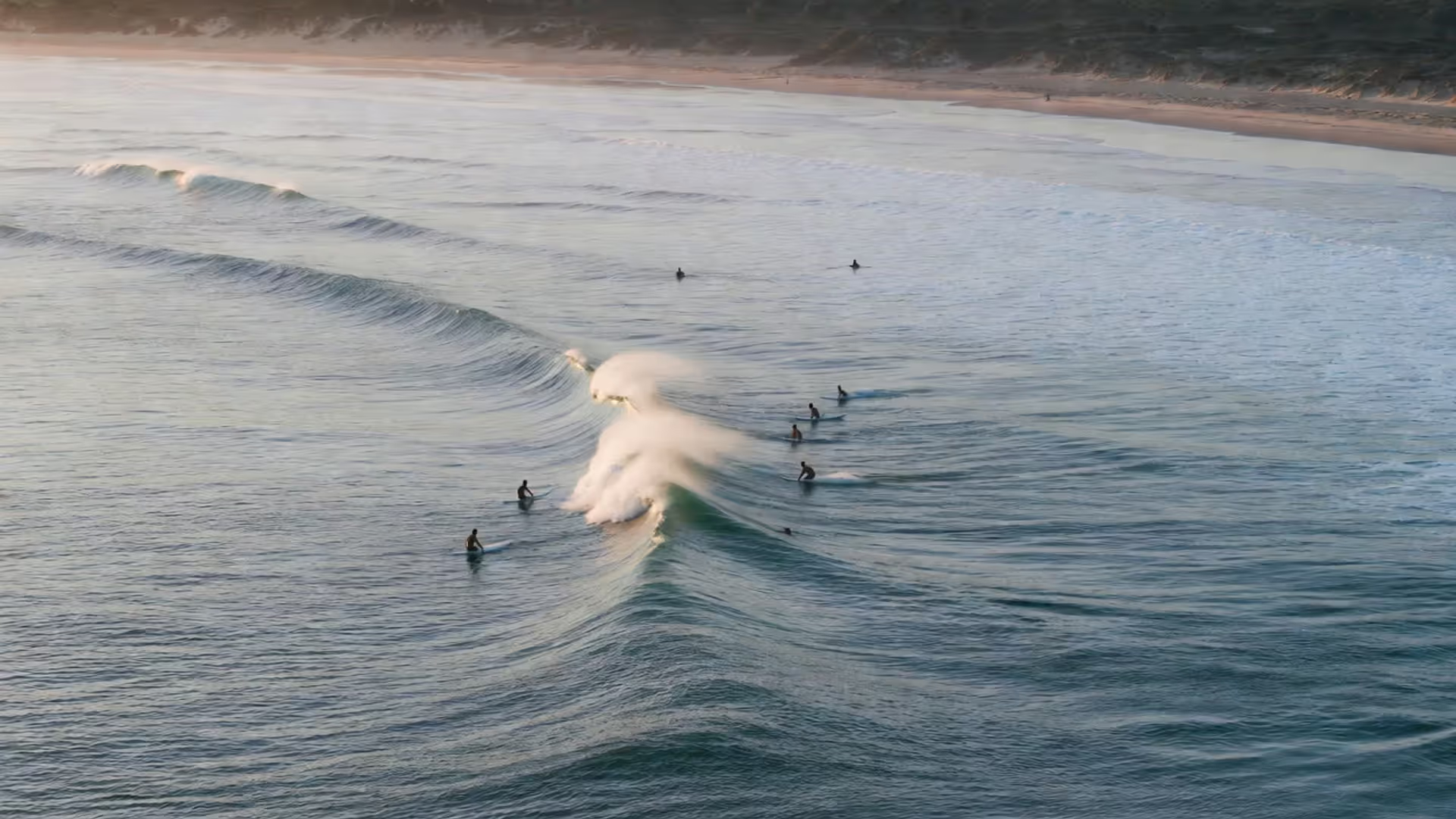
Priority starts with who’s closest to the peak
Surfing Rules: Your Complete Guide to Lineup Etiquette and Right of Way
Content
Why Surfing Rules Matter More Than You Think
Twenty surfers scan the horizon for set waves. Nobody's wearing a jersey number. There's no scoreboard. Zero referees patrol the lineup. Yet somehow, most sessions don't end in complete chaos. What's the magic ingredient?
An unwritten code governs wave riding—rules you'll either learn respectfully or discover through painful confrontations.
The physical dangers are real. I've watched a loose 9-footer slam into a paddling surfer's temple, knocking him unconscious. Fins slice skin down to muscle. Emergency rooms see surfers weekly with concussions, broken noses, and lacerations requiring stitches. These aren't remote possibilities—they're predictable outcomes when etiquette breaks down.
Beyond safety, there's your social standing. Break rules consistently and you'll get remembered—for all the wrong reasons. Regulars at their home break track behavior patterns. That guy who repeatedly paddles inside? The woman who snakes every wave? They get mentally blacklisted. Some breaks won't even let you catch closeouts after burning enough goodwill.
Here's the counterintuitive part: following proper protocol actually increases your wave count. Chaos benefits nobody. When lineup flow operates smoothly, waves distribute more evenly than during free-for-alls where the biggest jerk wins. Beginners get progression opportunities. Advanced riders can commit without scanning constantly for someone's runaway board. Community respect multiplies opportunities rather than dividing them.
The 7 Essential Right of Way Rules Every Surfer Must Know
Rule #1: Closest to the Peak Has Priority
The surfer positioned nearest where the wave actually starts breaking has first claim. For a wave peeling right, that's the person sitting deepest on the right side. Genuine A-frame peaks breaking equally both directions? Two riders can split it—but they'd better communicate instantly.
This rule makes sense when you understand positioning strategy. The deepest surfer sits in the impact zone where waves jack up steepest and break hardest. They've earned priority by accepting the gnarliest position. You're chilling on the shoulder where conditions are safer and easier—you haven't earned it yet.
Misjudging peaks causes constant conflict. From your vantage point, a wave appears to break left. But someone sitting thirty feet deeper sees it'll actually jack right under them. Before committing to any wave, check both shoulders. Spot someone positioned deeper? Pull back immediately, even if you've already spun around and started paddling.
Author: Logan Merrick;
Source: 2templatedesign.site
Rule #2: First to Their Feet Gets the Wave
Two surfers equidistant from the peak? Whoever stands up first wins. Period. This rewards decisive action and quick reflexes. Hesitation costs you waves.
This tiebreaker prevents endless debates about positioning. You and another surfer sit basically even—first person vertical claims it. The slower paddler must either kick out or pull back before standing.
Don't manipulate this rule by false-starting. Popping up then immediately bailing just to block competitors is called wave hogging. Locals despise it. Either fully commit or let the wave roll through cleanly for others.
Rule #3: Never Drop In
Taking off when someone's already riding violates surfing's cardinal rule. You've transformed yourself into an obstacle in their path, forcing them to either bail or risk collision.
The person already riding bears zero responsibility to avoid you. Their board smashes into you? Completely your fault. Even without physical contact, you've stolen their wave and wasted however long they waited for it—sometimes thirty minutes in slow conditions.
Sometimes you won't notice the rider until you're committed. The millisecond you spot them, straighten out and exit immediately. Kick toward the shoulder, never across their line. Then paddle straight over and apologize face-to-face. "Totally my fault, didn't see you" usually defuses anger.
Rule #4: Don't Snake
Snaking means paddling around someone to steal inside position after they've established priority. You notice someone waiting deeper, then deliberately swoop inside them right as sets approach.
This differs from repositioning between sets. Someone's been stationed in the zone with waves incoming? Don't suddenly cut inside. They've invested the positioning work and patience.
Chronic snakers develop reputations lightning-fast. Other surfers will intentionally drop in on you as payback or refuse sharing any waves. Some breaks have regulars who'll verbally annihilate snakers or physically block their paddle path.
How to Navigate the Lineup Without Pissing Everyone Off
Paddling Out Through the Channel
Most breaks feature a channel—deeper water where waves don't break consistently. Find it. Use it religiously. Paddling straight through the impact zone forces riders to dodge you or abandon perfectly good waves.
No obvious channel? Paddle wide around the breaking zone, even if it adds five minutes to your session. When you absolutely must cross the impact zone, time it carefully between sets. A surfer's dropping in as you paddle? Head toward the whitewater, never toward the clean shoulder where they're riding. They expect you moving toward already-broken sections.
Someone's taking off right as you paddle out? Don't freeze hoping they'll dodge you. Move decisively toward the foam. Truly can't get clear? Ditch your board only as absolute last resort—it becomes a missile endangering everyone downwind.

Author: Logan Merrick;
Source: 2templatedesign.site
Waiting Your Turn and Positioning
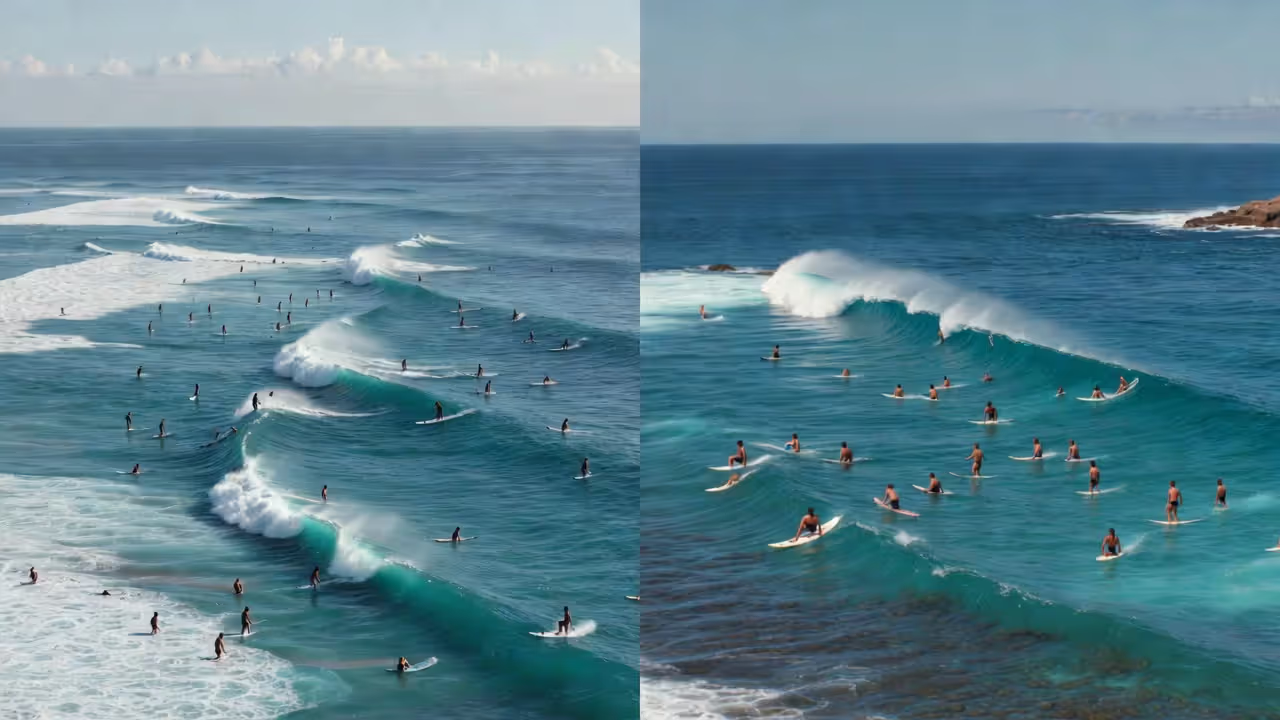
Lineups develop rotation patterns. Regulars read them instinctively. Beginners demolish them unknowingly. Sit on the beach and observe ten minutes before paddling out. Notice who sits where, who's catching what, how priority naturally shifts.
After riding a wave in, paddle to the outside edge of the rotation. Don't immediately plant yourself in the prime takeoff zone. Let surfers who've been waiting take their turns. Mellow lineups maintain loose, friendly rotation. Competitive breaks enforce it ruthlessly.
Sitting too far inside creates ninety percent of beginner conflicts. You think you're being strategic positioning closer to shore. Actually, you're sitting directly in front of people who've positioned correctly. They'll either drop in on you (because you lack priority) or scream at you for blocking their path.

Author: Logan Merrick;
Source: 2templatedesign.site
Communicating in Crowded Conditions
A simple "Going left!" or "You got it!" prevents confusion. When waves approach and positioning seems ambiguous, vocalize your plan or yield clearly.
Eye contact works magic. You're deeper but don't want the wave? Look at the other surfer and gesture them into it. They'll appreciate the clarity. Taking off with someone nearby? Quick "Mine!" establishes your claim.
Don't be that silent surfer who grabs every wave without acknowledgment. A nod, a thanks, even a smile after someone yields builds massive goodwill. Surf communities reward friendly awareness and punish entitled silence.
Beginner-Specific Etiquette Mistakes (And How to Avoid Them)
New surfers constantly pick the wrong beach. They see perfect barrels peeling and paddle out without realizing it's an expert-only spot with aggressive localism. Research breaks beforehand using surf forecasting sites and local forums. Beaches labeled beginner-friendly exist for specific reasons—gentle waves, sandy bottoms, tolerant crowds.
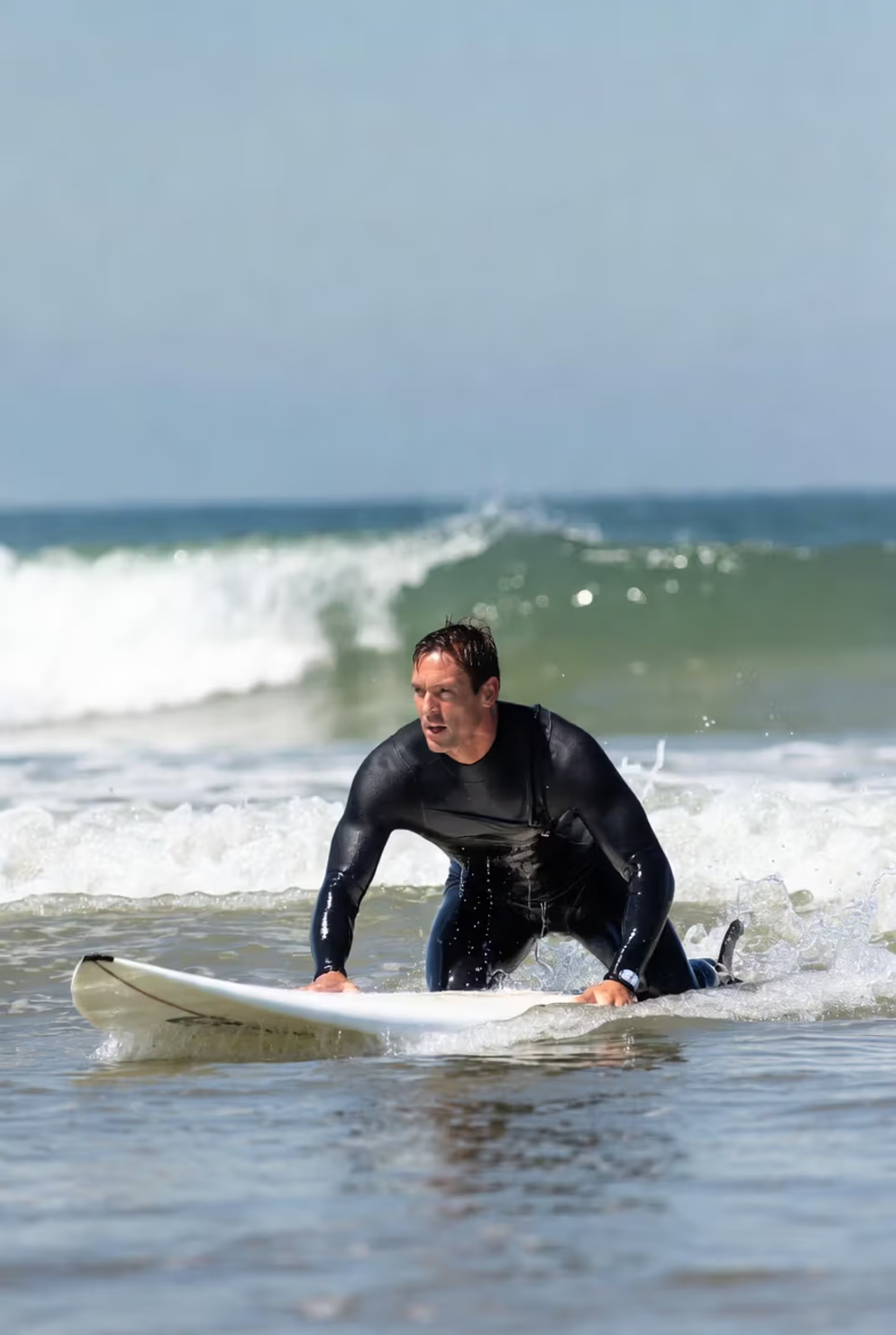
Surfing beyond your ability level endangers the entire lineup. Can't reliably control your board in these conditions? Stay on the beach. A runaway 9-footer in a packed lineup can injure five people in a single wave. Practice in small, empty surf until you can consistently duck dive or turtle roll without losing equipment.
Beginners also paddle inside the established lineup, then wonder why everyone's glaring. You're blocking the wave's entire path. Position yourself outside and slightly to the side of where the main pack clusters. Yes, you'll catch fewer waves initially, but you'll learn proper positioning without constant interference.
Not knowing when to bail creates serious danger. Caught inside by a cleanup set and can't punch through? Don't abandon your board unless you're literally about to drown. Hold on, absorb the pounding, keep your board from hitting anyone behind you. Must let go? Look behind you first and yell "Board!" so people can protect themselves.
Another common mistake: apologizing repeatedly while continuing identical behavior. One genuine apology suffices. After that, actually fix what you're doing wrong. Paddling inside again after being corrected proves you're not actually sorry—you're just avoiding conflict while surfing selfishly.
What to Do When Rules Get Broken or Conflicts Arise
You'll accidentally drop in eventually. Everyone does. The second you realize your mistake, exit the wave and paddle directly to that person. Don't just wave from thirty yards away. Direct "I'm really sorry, totally didn't see you" with genuine eye contact usually resolves it. Still angry? Don't argue—acknowledge their frustration and give them extra space all session.
Someone drops in on you? Assess whether it seemed intentional. Most violations are honest mistakes, especially at crowded beach breaks. Looks accidental? Let it slide. Same person keeps doing it? Calm "Hey man, I was already up on that one" typically works. State facts without aggression.
Facing aggressive locals? Don't escalate. Some breaks have territorial regulars who intimidate outsiders systematically. Someone tells you to leave or threatens you? Consider whether the wave quality justifies the conflict. Usually it doesn't—countless other breaks exist. That said, actual violence or serious threats warrant alerting lifeguards or police. Intimidation has crossed from cultural enforcement into illegal behavior.
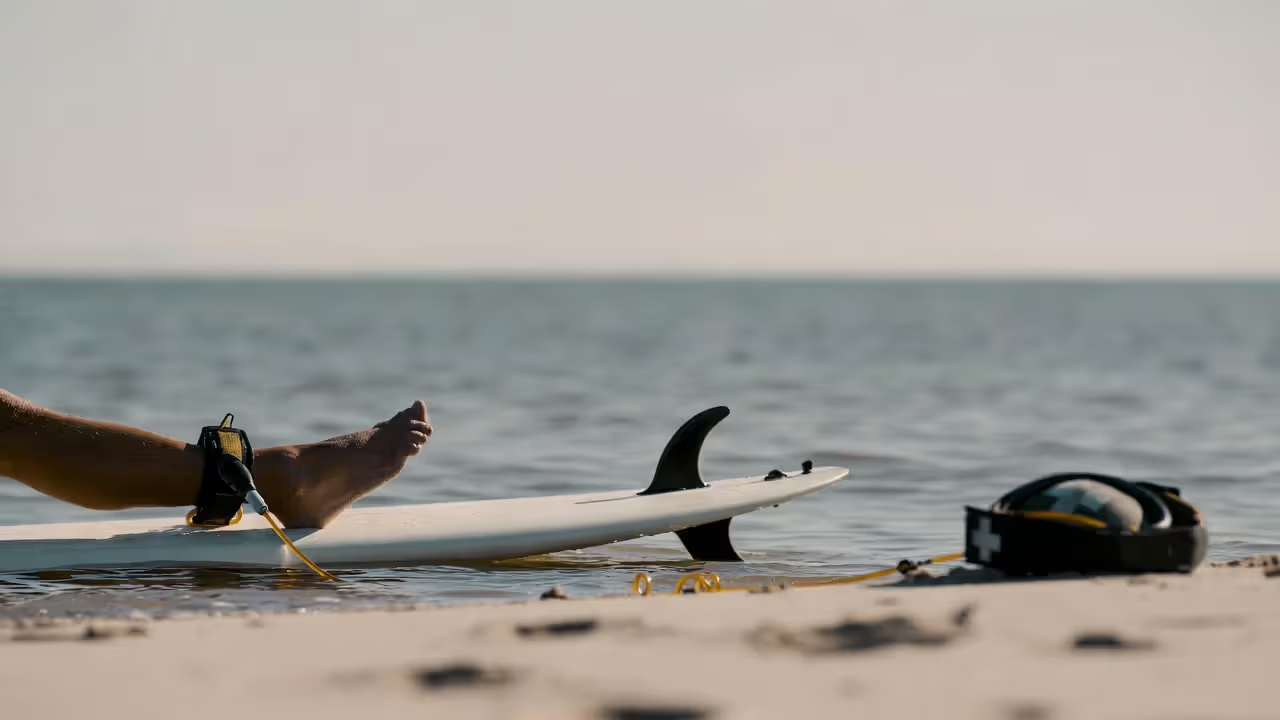
Witnessing genuinely dangerous behavior—someone deliberately hitting others, refusing to leash in crowded conditions, surfing obviously intoxicated? Alert the lifeguard if one's present. Serious safety violations aren't just etiquette problems. They're legitimate hazards requiring intervention.
Some conflicts stem from misunderstanding local customs. Certain spots maintain informal priority systems based on years of residence. As a visitor, you're not obligated to accept second-class treatment, but recognizing social dynamics helps navigate them. Sometimes humility opens doors. Other times, you're better off finding a welcoming break.
Regional Variations: How Surfing Rules Change by Break Type and Location
Author: Logan Merrick;
Source: 2templatedesign.site
Wave types and locations enforce etiquette with wildly varying intensity. A mellow beach break on a two-foot summer day operates nothing like a shallow reef pass on a solid six-foot swell. Understanding these differences prevents importing the wrong attitude to new spots.
Point breaks run the most regimented rotation. Waves peel in predictable lines, and surfers literally take numbered turns. Farthest-out person gets the next set wave, then paddles to the back of the queue. Cutting rotation at a point break gets you confronted within minutes.
Reef breaks demand higher skill and punish mistakes brutally. The crowd's usually experienced and demonstrates zero tolerance for beginners. Priority enforcement runs strict because collisions over shallow coral or rock mean severe injury. Not completely confident in your abilities? Reef breaks aren't learning environments.
Beach breaks flow chaotic and forgiving. Peaks shift constantly, making priority less clear-cut. Multiple waves break simultaneously, spreading the crowd. Beginners should start here—mistakes get tolerated more, and error consequences are less severe.
River mouths and jetty breaks feature strong currents complicating positioning. You'll constantly adjust to avoid drifting out of the zone. Crowds tend smaller but more skilled, since managing current requires experience.
Etiquette Expectations Across Different Break Types
| Wave Type | How Priority Works | Mistake Tolerance | Rider Experience | Social Dynamics |
| Beach breaks | Loose structure; peaks shift constantly | High forgiveness for errors | Beginner through intermediate | Relaxed atmosphere; rotation observed casually |
| Reef breaks | Rigidly enforced; peak location obvious | Very low tolerance; errors mean injury | Intermediate through expert | Frequently territorial; regulars often dominate |
| Point breaks | Highly structured; linear turn-taking | Moderate; order must be respected | Intermediate through advanced | Formal queuing; line-cutting brings immediate confrontation |
| River mouths | Moderate structure; current adds complexity | Medium tolerance; skilled crowd expected | Intermediate through expert | Varies widely; typically less crowded but technically challenging |
Geographic culture shapes distinct approaches. Hawaiian breaks carry surfing's birthplace heritage and frequently feature strong local presence. Disrespect gets taken very seriously there. California breaks span from ultra-competitive (Malibu, Trestles) to laid-back (many Central Coast spots). Australian surf culture tends bluntly direct—you'll get told off harshly if you mess up, but locals don't hold grudges personally.
Competitive urban breaks maintain the most intense crowds and strictest rule enforcement. Everyone's fighting for limited waves, and regulars protect their home break fiercely. Compare this with remote breaks where small crowds create communal vibes and visitors get welcomed if they demonstrate respect.
The ocean can't be owned by anyone, and waves belong to whoever rides them best. But respect? That gets earned through humility, awareness, and putting in your time at a break. Show those qualities and you'll find welcome at surf spots worldwide.
— Randy Rarick, professional surfer and co-founder of the Triple Crown of Surfing
FAQ: Common Questions About Surfing Rules and Etiquette
These rules aren't arbitrary restrictions designed to exclude newcomers. They're the structural foundation making shared wave riding possible without constant conflict. Master the priority system, respect lineup rotation, and honestly assess your current skill level. These practices keep you physically safe, accelerate improvement, and earn acceptance in surf communities.
The best surfers aren't just technically skilled athletes. They read lineups intuitively, communicate clearly with other riders, and demonstrate respect even when they're the most experienced person in the water. Start by surfing within your ability at appropriate breaks for your level. Watch carefully, learn actively, and ask questions when unsure. Every experienced surfer was once a complete beginner learning these exact lessons through trial and error.
Waves are finite resources in any given session. Respect multiplies opportunities for everyone. The surfer yielding a wave often receives one back later through reciprocity. The person apologizing sincerely after mistakes maintains their reputation for future sessions. Approach each session aware of others around you, and you'll discover that surf culture—despite its occasionally territorial reputation—rewards those putting in genuine effort to do things right.